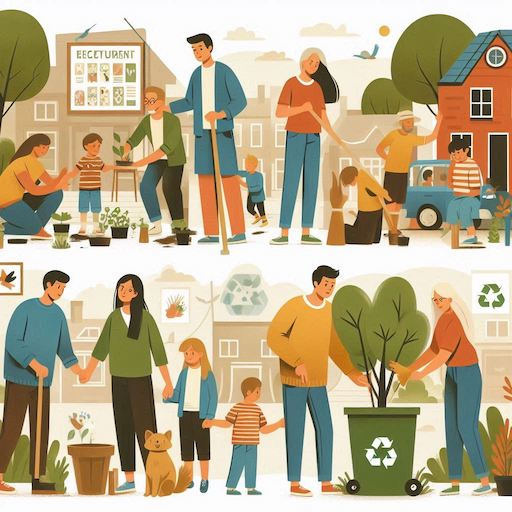
The concept of ESG (Environmental, Social, and Governance) has become a key pillar in corporate sustainability, shaping responsible business practices worldwide. But what if we applied ESG principles beyond the corporate world, integrating them into our personal lives? Embracing ESG in everyday life allows individuals to adopt sustainable habits, enhance interpersonal relationships, and optimize financial management—ultimately fostering a personal ESG culture that can naturally extend into organizations.
🌱 Sustainability in Daily Life (Environmental)
Sustainability goes beyond basic recycling; adopting meaningful actions can make a significant impact:
- Community and Urban Gardens – Establishing shared gardens in neighborhoods or workplaces fosters sustainable consumption, strengthens social bonds, and encourages a more eco-conscious mindset. Even vertical gardens in small apartments contribute to personal sustainability.
- Home Composting Systems – Repurposing organic waste into natural fertilizer through composting helps reduce landfill waste and encourages eco-friendly soil enrichment. Composting can be done at home or in community-based initiatives.
- Optimizing Natural Light and Ventilation – Redesigning spaces to maximize natural lighting and airflow reduces electricity consumption and enhances well-being. Some approaches include using translucent materials, mirrors to reflect light, and expanding window spaces.
- Rainwater Harvesting and Efficient Water Use – Capturing rainwater for irrigation or non-potable household use is an effective strategy against water waste. Installing low-flow faucets and water reuse systems also helps minimize consumption.
- Circular Economy and Recycled Materials – Choosing second-hand furniture, reclaimed wood, or recycled building materials supports sustainability while enhancing interior spaces.
- Sustainable Fashion and Conscious Consumerism – Supporting ethical brands, prioritizing quality over quantity, and shopping at thrift stores or swapping clothes within communities significantly reduce fashion industry waste.
By integrating these eco-friendly practices, individuals cultivate a sustainability mindset that naturally influences workplaces and businesses.
🤝 Strengthening Interpersonal Relationships (Social)
Applying ESG to the social dimension means fostering collaboration, inclusivity, and community engagement:
- Cultural Festivals and Community Workshops – Organizing local art shows, live music events, and free workshops enhances cultural appreciation and strengthens community ties.
- Public Space Revitalization Projects – Group efforts to restore parks, plant trees, and improve communal areas create lasting benefits for neighborhoods.
- Outdoor Libraries and Storytelling Circles – Establishing reading spaces in parks or hosting storytelling sessions for children promotes literacy and cultural exchange.
- Team-Building Games and Cooperative Challenges – Encouraging teamwork among young people through cooperative games and activities fosters social responsibility and problem-solving skills.
- Solidarity Donation Campaigns – Organizing drives to collect clothing, food, and essential items for those in need reinforces empathy and social responsibility.
- Charity Food Festivals – Hosting community meals or culinary fundraising events can generate resources for local social initiatives while bringing people together.
- Crowdfunding for Neighborhood Improvements – Transparent fundraising efforts for infrastructure enhancements or wellness programs help residents take an active role in community development.
Simple individual actions drive profound collective change, fostering a socially responsible mindset that extends into the corporate world.
📈 Governance and Financial Education (Governance)
Governance is not just for businesses—it plays a crucial role in personal financial organization and community-driven financial literacy initiatives:
- Financial Education Workshops for Adults – Hosting financial literacy events covering budgeting, ethical investing, and debt management equips individuals with the knowledge to make informed financial decisions.
- Community Financial Awareness Fairs – Connecting residents with financial experts through events helps demystify money management and encourage sustainable financial habits.
- Business Networking for Local Entrepreneurs – Supporting small business owners through mentorship programs and collaborative networking strengthens local economies and fosters entrepreneurship.
- Interactive Financial Learning for Children – Engaging children in role-playing games that simulate real-world financial scenarios teaches them money management skills in a fun, educational way.
- Smart Allowance Programs – Encouraging families to introduce a structured allowance system, where children allocate money into spending, saving, and charity, instills lifelong financial discipline.
- Fraud Prevention and Digital Financial Security Training – Educating communities about online financial safety helps prevent scams and enhances financial security awareness.
- Community Investment Funds for Sustainable Development – Establishing transparent investment initiatives where residents contribute funds toward neighborhood enhancements fosters governance-driven community engagement.
A structured approach to financial education helps individuals develop a sustainable and ethical perspective, seamlessly bridging governance concepts into professional environments.
🌍 ESG as a Personal and Corporate Culture
When ESG becomes a part of everyday life, it naturally translates into corporate and institutional settings. Sustainable habits, socially responsible interactions, and transparent financial management are not just individual efforts—they contribute to building organizations with genuine ESG commitment.
Embracing ESG principles in personal life is an accessible path toward ethical, balanced, and sustainable living. Individual actions, no matter how small, collectively shape businesses and communities that truly embody ESG values.
Ready to start today? 🚀
 Synergetic Mindset
Leave a comment